
"coffee bean harvest"
20000 article(s) found

Artificial harvesting in Chaximayo production area of Chanchmayo, Peru | Elaraby with organic cultivation and washing treatment
Professional coffee knowledge exchange more coffee bean information please follow the coffee workshop (Wechat official account cafe_style) Peru Chanchmayo Chasimayo manual harvest | Organic cultivation washing Arabica coffee bean flavor? Peruvian coffee beans are produced in La Florida, located in the northeast highlands of the Andes, which is the most famous C of the nine coffee producing regions in Peru.

Processing of coffee beans after harvest drying and wet processing
After the harvest coffee bean processing: coffee berries must be processed immediately after picking to prevent pulp fermentation and decay. Coffee beans can be processed in two ways, wet and dry. The drying method is also called the natural method. Spread the coffee berries flat in the sun to dry. In the plantation, 50 square meters of coffee berries are laid on each hectare, or

What climate will affect the coffee bean harvest-the benefits of growing coffee beans
What climate will affect the coffee bean harvest-growing coffee beans yields Coffee will only become more expensive High-quality Arabica production in extreme weather conditions, it is difficult to maintain production; on the demand side, more and more people in emerging countries drink coffee and better coffee, such as Chinese mainland coffee consumption increased 20-fold between 1998 and 2012. So good coffee may be in the future.
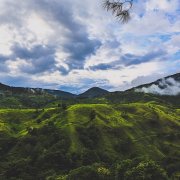
Panama Carmen Boutique Coffee Estate
The best way to harvest fine coffee beans is to use manual harvesting. That is, only ripe coffee fruits are picked to prevent coffee fruits with inconsistent maturity from being picked at the same time. Fine coffee requires frequent and careful hand picking during harvest because underripe and overripe fruits affect the balance and stability of coffee flavor. Carmen Manor Coffee is a family-run coffee shop
Harvest and processing of Fine Coffee
Coffee is the fruit of a Rubiaceae plant growing about 6000 feet above sea level, distributed on the world's narrow subtropical axis; coffee trees grow green all the year round and can grow up to 20 feet tall, and are generally controlled at 8 to 10 feet for easy harvest. It takes three to five years for the coffee tree to bear fruit. First of all, it produces small white flowers that resemble jasmine in shape and size, and then wither and bear deep fruit.

90 + flavor spectrum "Level" Gesha variety Level 195 (19) was harvested in a single producing area.
In the flavor spectrum of 90 +, there is a Level logo. It is the number after the product name mark L. For example, L12-means Level 12. The Level is probably in proportion to the price. It represents the grading model of raw beans: according to quality, quantity, production cost, 90 + based on the original excellent raw beans, continue to grade as follows: Level 7: single production area harvest. Will taste meticulous and

Wet and drying methods for post-harvest processing of coffee beans
After the harvest coffee bean processing: coffee berries must be processed immediately after picking to prevent pulp fermentation and decay. Coffee beans can be processed in two ways, wet and dry. The drying method is also called the natural method. Spread the coffee berries flat in the sun to dry. In the plantation, 50 square meters of coffee berries are laid on each hectare, or

Varieties of coffee harvested and processed
Coffee is the fruit of a Rubiaceae plant growing about 6000 feet above sea level, distributed on the world's narrow subtropical axis; coffee trees grow green all the year round and can grow up to 20 feet tall, and are generally controlled at 8 to 10 feet for easy harvest. It takes three to five years for the coffee tree to bear fruit. First of all, it produces small white flowers that resemble jasmine in shape and size, and then wither and bear deep fruit.

Columbia Coffee Manor Hope Manor Coca Cauca Columbia Coffee beans in the Andes
HernandoTapasco's team, the lead botanist, set up a climate station on the estate to track weather data and help make harvest decisions. The data on the farm were collected continuously and analyzed once a week. After harvest, they will compare weather data, production data and cup test data and analyze the correlation. The harvesters of Rose Summer are strictly trained to harvest only ripe cherries

A brief introduction to the treatment method of grinding degree and baking degree of delicious Kenyan boutique coffee beans
Kenya coffee harvest season there are two harvest seasons in Kenya, the main harvest season is from October to December and the secondary harvest season is from May to July. Large coffee processing farms in Kenya usually have independent processing facilities. A large number of small farmers usually pick ripe coffee fruits by hand. Coffee picking is a labor-intensive job, which requires the whole family to go out or even return during the harvest season.

Introduction to the flavor characteristics of Kenyan coffee beans during the African Kenyan coffee picking season
Kenyan coffee picking season manor characteristics variety treatment method taste C aroma, rich, with fruit flavor, rich and perfect taste. Kenyan coffee has a wonderful fruit flavor, tastes like BlackBerry and grapefruit, and is a favorite of many coffee gluttons. This coffee comes with excellent medium purity.

General knowledge of dealing with high-quality coffee after coffee bean harvest
Coffee beans must be disposed of immediately after harvest so as not to go bad. The producer will use two methods of treatment: the sun method and the cleaning method. An effective way to bask in the sun is to spread the berries flat in the yard and stir the dehydrated berries from time to time to make them evenly heated and breathable. Then put the dried berries into the machine, crush the shell, and remove the shell and a layer of parchment at the same time

How many coffee beans can a coffee tree produce in a year?
How many coffee beans can a coffee tree produce in a year to grow into a high-harvest and high-quality coffee tree? it is necessary to take good care of and select the seedlings. Generally, they begin to sprout about 40 days after sowing, and then transplant them to the greenhouse before they can grow into saplings. Wait until the saplings grow to 40-50 cm high before choosing the healthier saplings to be transplanted to the farm. This approach is more traditional, but only

In February this year, Lampung Robbund exported 14321 tons of coffee beans with a total value of 28.8 million US dollars.
In February, Robusta exported 10, 4321 tons of coffee beans, with a total value of US $28.8 million. Ferynia, director of the Lampung Bureau of Trade, said that although the harvest had not yet begun, Lampung coffee continued to be exported to several countries. She said that according to the information of Lampung Industrial and Trade Cooperative, Lampong Robesda and Elaraby Arabika coffee beans have been exported to Europe and Asia.
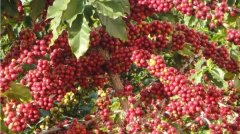
Harvesting and processing of coffee
Coffee is the fruit of a Rubiaceae plant growing about 6000 feet above sea level, distributed on the world's narrow subtropical axis; coffee trees grow green all the year round and can grow up to 20 feet tall, and are generally controlled at 8 to 10 feet for easy harvest.

A brief introduction to the flavor, taste and aroma characteristics of delicious Kenyan boutique coffee beans
Almost all Kenyan coffee is sold through the coffee exchange in Nairobi, the capital. Coffee auctions are held at coffee exchanges every Tuesday during the harvest season. Traders with trading qualifications will get raw bean samples in advance, and after the cup test, they will choose the raw beans they like. In the following auction, the highest bidder will get. The coffee auction system in Kenya is considered

A brief introduction to the Origin, Development, History and Culture of delicious Kenyan Fine Coffee beans
Almost all Kenyan coffee is sold through the coffee exchange in Nairobi, the capital. Coffee auctions are held at coffee exchanges every Tuesday during the harvest season. Traders with trading qualifications will get raw bean samples in advance, and after the cup test, they will choose the raw beans they like. In the following auction, the highest bidder will get. The coffee auction system in Kenya is considered
The basics of coffee About coffee sowing method
The endocarp wrapped coffee seed to the seedbed, 40-60 days will germinate, about 6 months after germination will grow to about 50 cm seedlings. At this stage, the seedlings are still fragile and must be covered with something such as winter gauze to block direct sunlight. The seedlings bloom about three years after they are transplanted from the seedbed to the garden. In this issue, countries such as Central America that harvest coffee beans by hand, in order to

Make Italian coffee beans to beat grandma's density-instant coffee bean density
Make Italian coffee beans to beat grandma's density-instant coffee bean density coffee is generally harvested once a year. The harvest time depends on the geographical location, but usually the northern hemisphere harvests from September to March, while the southern hemisphere harvests from April to May. Coffee is usually picked by hand and can be picked off all the berries from the branches at once or selectively. The latter one

South Korea coffee producing area was born, Korea Lichuan coffee farm planting Arabica coffee beans ushered in the harvest season
Coffee tastes good, which is inseparable from the proper cultivation of coffee. Partners who have known coffee-producing countries should know that most of these coffee-growing places are between the Tropic of Cancer. As coffee is appreciated by more and more people, many people challenge nature, vowing to be outside the "coffee gold planting belt"